
Science Backs Art Therapy for Teens
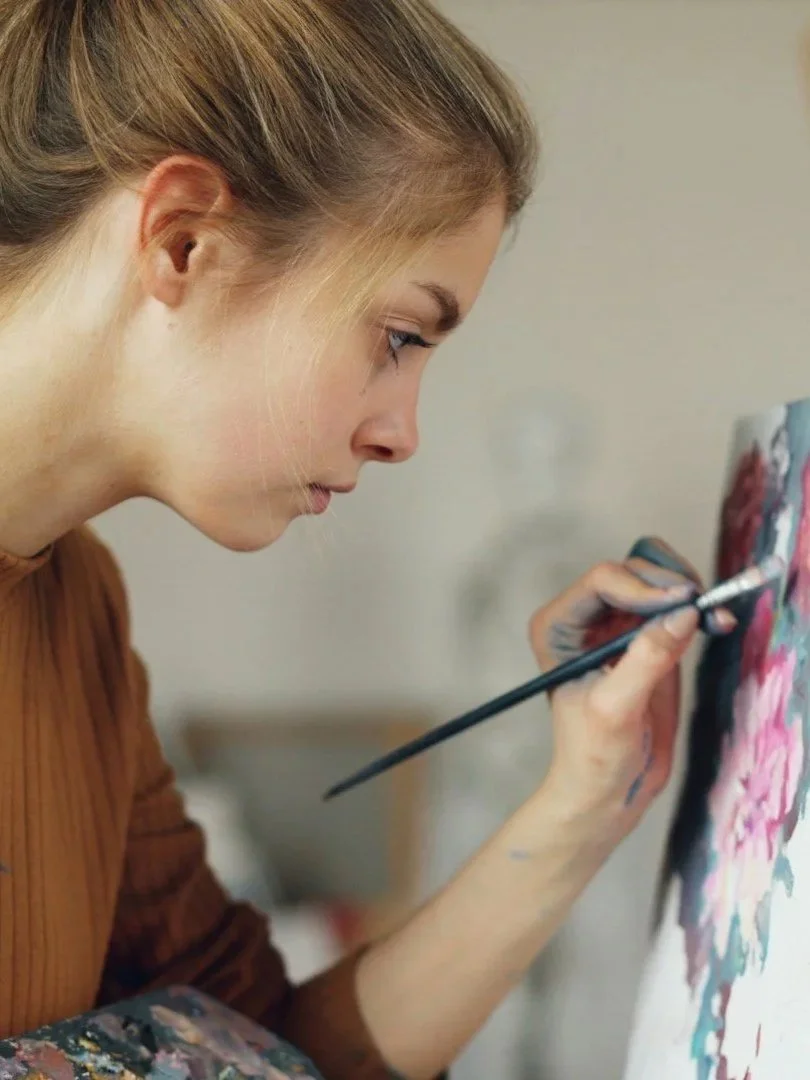
One of my Buddhist teachers said “art is how the unconscious expresses itself”. Maybe that resonates with you, and maybe that makes no sense. That’s OK! There’s loads of evidence-based reasons to include art therapy as your main therapy or something your therapist sprinkles in, when appropriate.
At our centre in west Ottawa, Chloe is our resident art therapist with a Master’s degree in art therapy, but many of our therapists integrate it into our work. Reach out if you have questions or would like to schedule a consultation!
Talking isn’t the only way to express and process emotions
For many people - especially children, teens, or anyone with trauma, limited verbal literacy, or developmental/neurodivergent differences - talking is insufficient, uncomfortable or inauthentic to express complex feelings. One of my clients recently discovered that visualizing a particular room was far more comfortable and uplifting to them than repeating a reassuring affirmation. Cool! Art therapy externalizes this into a non-verbal, symbolic outlet to explore your inner world.
What the science says: A study of children aged 7-10 found that participants reported increased feelings of safety, empowerment, hope, and optimism after art therapy; many said that art helped them express feelings they “couldn’t say in words” (Pinto et al., 2022).
Art therapy helps reduce the symptoms of anxiety and depression
Even just being exposed to art can alleviate anxiety and depression symptoms - research suggests that the creative arts (making or viewing art) activates key brain circuits involved in helpful emotional regulation - including regions like the prefrontal cortex (our big beautiful adult brain) and amygdala (alarm centre) (Bodner et al., 2021).
What the science says: Clinical studies show that art therapy, either in addition to talk therapy or on its own, can significantly reduce anxiety and depressive symptoms among children, adolescents, and adults (Lusebrink, V.B., & Hinz, L.D, 2020).
Art therapy increases your self-awareness and helps you feel confident in yourself
It may not surprise you that art therapy supports self-reflection and introspection - making art can help externalize inner thoughts, images, or conflicts, which fosters insight.
What the science says: However, art therapists and science confirms that clients who participate in art therapy gain a sense of control and personal agency - the feeling they can influence their own lives and outcomes - which helps enhance self-esteem and confidence (Karkou & Sanderson, 2006).
Art therapy can feel safer and more relaxed than traditional therapy
Art therapy is more than “making pretty pictures” - in fact, therapists are often privileged to help children, teens and adults express what feels unbearable or really yucky into visual representation. Therapists believe that you have to feel it to heal it, but that doesn’t require talking. I remembering sitting with a teen who found difficult emotions very threatening and worked hard in therapy to keep topics light. We did some art therapy where she painted an image of the insecurity and self-hatred she felt, and the two of us were both amazed at the sadness she was able to depict. (She’s now thriving and we only see each other occasionally when she needs to touch base.)
As practiced by trained art therapists, art therapy can create a safer therapeutic container — a space where clients feel supported, contained, and free to explore (Case & Dalley, 2014).
Especially for children and adolescents - or adults’ inner child! - making art resonates with developmental impulses (e.g., marking, creation, exploration). Research shows that for many teens, art therapy “fits” because it aligns with their natural drive to express, mark identity, and explore boundaries (Klorer, 2005).
Have questions about our therapy services for teenagers, parents or family therapy?
Here are some other Therapy for Teens posts



If your teen notices the pattern and - on top of the burnout - feel confused and guilty about why they seem to keep going back for more when their nervous system is already fried. We address this in the therapy office all the time - social media isn’t designed to make us happy, it’s just designed to make us look.